Short answer: No. Most Pilates classes don’t keep your heart high enough or long enough in moderate or vigorous zones to qualify as cardio training. It’s excellent for strength, stability, and control. But if your goal is heart health or endurance, you need structured cardio that hits the zones consistently.
Pilates Is Strength and Control, Not Heart Adaptation
Pilates improves mobility, core strength, and alignment. Those are real and valuable. What it doesn’t usually deliver is the heart-rate exposure needed to improve VO₂ max or the traits tied to a younger-feeling heart. Time in moderate and vigorous zones matters. It’s the scoreboard for cardio.
We Tested Pilates with Chest-Strap Monitors
We took two Club Pilates sessions wearing Garmin HRM-Pro Plus chest straps for EKG-level accuracy.
Intro (30 minutes): 0 minutes in moderate or vigorous zones
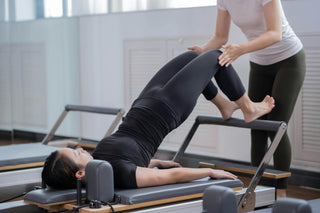
Level 1.5 “Cardio Sculpt” (60 minutes): 10 minutes moderate, 1 minute vigorous. Peak: 111 bpm. Total zone minutes: 12
Chest-straps remain the best tool for zone tracking in interval or performance settings. Individual responses vary, but this pattern repeats across Pilates research: it feels challenging, but it doesn’t deliver sustained time in zone.
What Counts as Cardio Training
Guidelines are simple.
150 minutes per week moderate, or 75 minutes per week vigorous, or a mix.
Vigorous minutes count double because they produce bigger improvements in fitness.
Time in zone is what the body recognizes. Not effort, not sweat, not soreness.
Why Pilates Doesn’t Deliver Cardio Improvement
Pilates was originally built for rehab and body control. It’s often low to moderate muscular effort, performed on your back or controlled standing positions. Without sustained time in moderate or vigorous zones, the heart doesn’t get the stress-and-recover signal that drives improvement.
Moderate maintains. Vigorous improves.
Is Pilates Good for Weight Loss?
It supports consistency and muscle tone. Fat loss is still nutrition plus cardio that drives sustained metabolic demand. That requires time in zone.
Pilates vs HupSix: Zone-Minute Results
Pilates (60 minutes): 10 minutes moderate + 1 minute vigorous = 12 total zone minutes
HupSix (30 minutes): 40 to 50 zone minutes when tracked with chest straps (individual results vary)
That is roughly four times the cardio payoff in half the time.
Why Vigorous Minutes Count Double
A well-documented interval approach is the Norwegian 4×4 model: four minutes hard, three minutes easy, repeated four times. About 30 minutes total. Over time, consistent vigorous exposure improves endurance markers tied to longevity, recovery, and performance.
This matches why vigorous minutes are counted double in AHA/CDC guidelines. They create more adaptation.
The Fix: Add Structured Cardio You’ll Repeat
Pilates can stay in your routine. Just don’t use it as your only form of exercise. If heart health or fat loss matters to you, make structured cardio the foundation and let Pilates support the way you move.
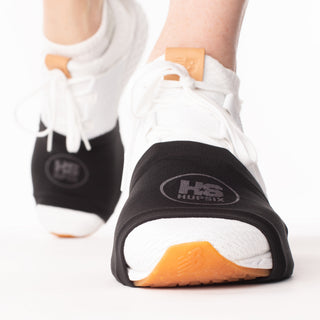
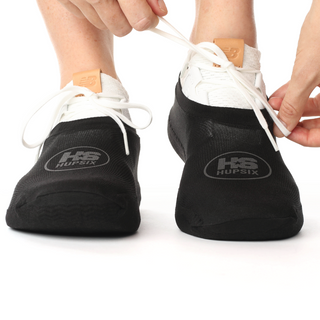
HupSix makes that foundation simple. Classes are 30 minutes, guided, interval-based, and music-driven. You learn a move, practice to timing clicks, then execute to music with light resistance that keeps your body engaged. The pace prevents coasting.
Most people log 40 to 50 minutes of cardio credit in each session because vigorous minutes count double. You’re improving coordination and agility while you build endurance where it counts. You get measurable work in less time and you can do it at home with minimal space.
Bottom Line
Pilates is excellent. It’s just not cardio. If you want better stamina, recovery, and long-term heart health, make vigorous zone minutes non-negotiable. Use Pilates for control and strength. Use structured cardio for the heart.
FAQs
Does reformer Pilates ever count as cardio?
Rarely. Short spikes happen, but they’re rarely sustained long enough to meet moderate or vigorous thresholds.
Is Pilates enough exercise on its own?
Not for cardio-driven goals. It’s a strong supplemental method for mobility, control, core strength, and alignment.
Is Pilates good for weight loss?
It supports it. The main driver is still nutrition plus workouts that keep your heart high enough and long enough in zone.
Should I replace Pilates with cardio?
You don’t need to. Just reverse the hierarchy. Make cardio the foundation.