Quick Answer: Cardio feels boring when it’s repetitive and unstructured. To make cardio less boring, you need rhythm, timing cues, and clear goals that keep your brain engaged while your heart rate stays in training zones. When workouts feel purposeful instead of mindless, time passes faster and consistency improves.
If you’re searching for how to make cardio less boring, you’re not lazy and you’re not broken. Most cardio feels boring because it’s designed to disengage your brain long before your body is done working.
The fix is not more TV, more podcasts, or more distraction. It’s engagement.
Why Cardio Feels Boring (And It’s Not Your Fault)
Most traditional cardio reduces movement to motion. Your feet move in one direction. Your arms do nothing. Your brain checks out.
Machines are especially good at this. Once the belt is moving or the pedals are turning, it’s easy to coast. Minutes stretch. Motivation fades. You start negotiating with yourself instead of training.
When cardio feels boring, people assume the problem is discipline. In reality, it’s design. Workouts that don’t require attention are hard to repeat, no matter how effective they’re supposed to be.
What Actually Makes Cardio Less Boring
Cardio becomes less boring when your brain has to participate, not just your legs.
Enjoyable cardio has a few specific traits:
- Engaged, not easy: The work requires timing, coordination, and quick decisions, so your mind stays involved.
- Rhythm drives effort: Music and cues set pace, which stops you from watching the clock.
- Clear feedback: You know when the workout is working because you track heart-rate zones, not guesses from steps or calories.
When these elements line up, effort stops feeling like punishment. Time moves faster. Consistency becomes automatic.
Why Most Cardio Workouts Fail to Be Enjoyable
Many workouts technically count as cardio, but they fail in practice because they rely on steady, unchanging effort.
Steady-state cardio is predictable. Predictability invites boredom. Boredom invites coasting.
Even people who enjoy running or cycling often say workouts feel mentally exhausting before they’re physically finished. That mental fatigue is the real reason cardio gets dropped.
The solution isn’t random variety. It’s structure that forces attention.
How HupSix Makes Cardio Less Boring at Home
HupSix was built specifically to solve the boredom problem without lowering intensity.
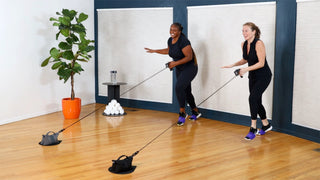
Instead of zoning out, you stay engaged through rhythm, timing cues, and progressive rounds that demand focus. Every 30-minute class is designed to keep your heart rate in training zones while giving your brain something to do.
Here’s what makes it different:
- Music-driven pacing: Original rock tracks with built-in timing clicks set cadence so you can’t coast.
- Six progressive rounds: You learn the movement, practice it to clicks, then execute full-out to music. Momentum builds instead of dragging.
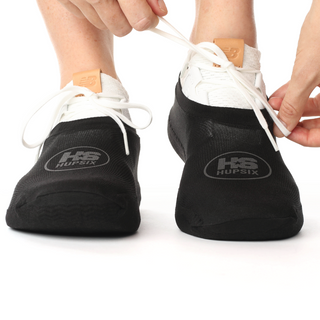
- Full-body engagement: Handles, a bungee, and a weighted base connect upper and lower body so effort stays honest.
- Reaction training: Audio cues force quick decisions. You react instead of overthinking.
When tracked with a chest-strap heart-rate monitor, most HupSix classes log about 40–50 cardio zone minutes in 30 minutes. Because vigorous minutes count double toward weekly goals, this makes cardio both efficient and repeatable.
How to Make Cardio Less Boring (Simple Habit Setup)
You don’t need a total overhaul. Start small and make it repeatable.
- Pick two consistent days: Same days, same time. Remove decision fatigue.
- Track zone minutes: Heart-rate zones tell you whether the workout actually counts.
- Let rhythm set pace: Music removes internal negotiation and keeps effort steady.
- Write down results: Watching zone minutes accumulate is motivating in a way steps never are.
The Science Behind Why Engaging Cardio Works
Cardiorespiratory fitness is one of the strongest predictors of long-term health and performance, independent of body weight. Research from the Cooper Institute and related labs consistently shows that time spent in moderate and vigorous heart-rate zones drives adaptation.
Structured interval training, including formats similar to the Norwegian 4×4 model, produces greater improvements in VO₂ max and cardiac function than steady, unchanging effort.
Translation: vigorous minutes matter most. The more engaging the workout, the easier it is to stack them.
Why Measurement Matters More Than Motivation
Perceived effort isn’t cardio. Heart rate is.
Chest-strap monitors remain the most accurate way to track intensity, especially during interval-based workouts. Wrist sensors often miss peaks or overestimate recovery.
Zone minutes beat steps and calories because they measure how long your heart trained at an intensity that actually improves fitness.
Many machine workouts log 20–25 zone minutes in 30 minutes. A single HupSix class typically doubles that.
The Takeaway
People don’t quit cardio because it’s hard. They quit because it’s boring, punishing, or mentally empty.
To make cardio less boring, choose workouts that engage your brain, structure your effort, and give you feedback that matters. Thirty focused minutes a few times a week is enough when the minutes count.
Want Better Cardio Options Right Now?
- I Hate Running — What to Do Instead
- Best Treadmill Alternative for Home
- Best Cardio Equipment for Small Spaces
- HupSix vs TRX, Peloton, and Tonal
Try HupSix free for 30 days and you’ll understand why people stick with it. One class in and you’ll wonder how you ever did cardio any other way.
FAQ
How do you make cardio less boring at home?
Use workouts that combine rhythm, structure, and measurable intensity. When your brain stays engaged, cardio feels faster and is easier to repeat.
What makes cardio more enjoyable?
Engagement. Timing cues, music, and clear feedback turn effort into something purposeful instead of repetitive.