
GLP-1 drugs like semaglutide and tirzepatide are everywhere right now — and for good reason. They work. But one question keeps coming up among people who start taking them: "Do I still have to exercise?" The short answer is yes. Here's the longer one.
What GLP-1 Drugs Actually Do
GLP-1 (glucagon-like peptide-1) receptor agonists are a class of medications originally developed to treat type 2 diabetes. They work by mimicking a hormone your body naturally produces after eating — one that signals fullness, slows digestion, and regulates blood sugar. The result: you feel less hungry, eat less, and over time, lose weight.
They're highly effective for that purpose. Clinical trials have shown meaningful weight loss results, and they're now FDA-approved not just for diabetes, but for obesity management. Cardiovascular benefits have also been documented in high-risk patients.
What they don't do? Make your heart stronger, build endurance, improve your VO₂ max, or preserve muscle mass. That's where cardio comes in.
The Case for Cardio — Still
Aerobic fitness — how efficiently your heart and lungs deliver oxygen during effort — is one of the strongest predictors of long-term health and longevity. You can lose significant weight on a GLP-1 and still have poor cardiovascular fitness. The scale goes down; your functional capacity doesn't automatically follow.
Here's what cardio does that GLP-1 medications cannot:
- Increases aerobic capacity (VO₂ max)
- Improves how your body handles physical effort and recovery
- Helps regulate appetite naturally through hormonal changes
- Preserves and supports muscle mass when paired with strength work
- Reduces long-term cardiovascular disease risk independent of weight
The American Heart Association and American College of Sports Medicine still recommend approximately 150 minutes per week of moderate-intensity cardio, or 75 minutes of vigorous activity. That guidance doesn't change because you're on medication. Not sure what counts as cardio? Start there.
The Muscle Loss Problem
One of the less-discussed downsides of rapid weight loss — whether from GLP-1s or caloric restriction alone — is that some of what you lose isn't fat. It's muscle. Muscle loss is a real concern with GLP-1 use when diet and exercise aren't actively managed.
Cardio (especially when paired with resistance training) is one of the most effective tools for protecting muscle while in a caloric deficit. Losing weight without protecting muscle can leave you lighter but weaker, with a slower metabolism — which makes maintaining that weight loss even harder. For a deeper look at this, read Does Cardio Kill Muscle Gains? Myth vs. Science.
Are GLP-1s Safe? What the Research Shows
GLP-1 medications are FDA-approved and considered generally safe for appropriate candidates. That said, "generally safe" isn't the same as "without risk." Here's an honest look:
Common side effects:
- Nausea and vomiting (especially when starting or increasing dose)
- Constipation
- Fatigue in some users
Less common but worth knowing:
- Gallbladder issues, including gallstones
- Pancreatitis (rare)
- Possible thyroid tumor risk (observed in animals; human data still developing)
Long-term data is still accumulating — these medications haven't been in widespread use long enough to have decades of outcome data. That's not a reason to avoid them if they're clinically appropriate for you, but it's a reason to use them thoughtfully and under medical supervision.
Are You on GLP-1s Forever?
This is one of the most common questions — and the answer is: not necessarily, but it depends on the person. GLP-1s work by suppressing appetite while you're taking them. When you stop, appetite typically returns toward its previous baseline. Studies show that many people regain a significant portion of their lost weight within a year of stopping.
Some clinicians compare them to blood pressure or cholesterol medications: they manage a condition rather than cure it. Whether someone stays on them long-term depends on their underlying metabolic situation, how strong their lifestyle habits are, and how they respond to coming off the medication.
The people most likely to successfully come off GLP-1s are those who used the window of reduced appetite to build durable habits — regular movement, better food choices, and ideally a consistent cardio routine. If you're wondering whether you need cardio to lose weight, the answer might surprise you.
A Cardio Option Worth Knowing About
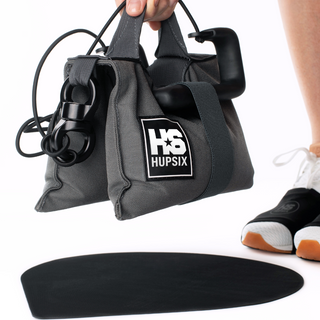
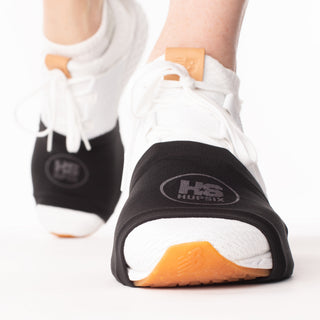
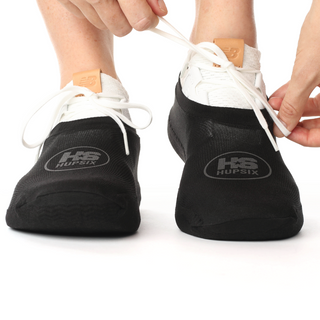
If you're on a GLP-1 and looking for a cardio routine that's easy to stick with, HupSix was built for exactly that. It's a home cardio training system that delivers up to 52 minutes of cardio credit in a 30-minute workout — no treadmill, no gym, no excuses.
Every session uses music-driven intervals to guide you through your moderate and vigorous heart-rate zones — the zones that actually remodel your heart and protect muscle while you lose weight. It works from a yoga-mat footprint, which means no dedicated space required.
For people on GLP-1s, consistent low-barrier cardio is everything. The medication can help control appetite. HupSix helps build the fitness foundation that makes the results last — and vigorous minutes are where that happens fastest.
Learn how HupSix reinvents interval cardio →
The Bottom Line: GLP-1s and Cardio Aren't Competing — They're Complementary
GLP-1 medications are a legitimate, effective tool — not a gimmick. For people with clinical obesity, metabolic disease, or strong appetite dysregulation that hasn't responded to lifestyle changes alone, they can be genuinely life-changing.
But they work best as part of a larger system. Cardio is the foundation. GLP-1s can help you eat less. Cardio is what makes your body more capable. If the goal is fat loss without sacrificing fitness, sustained weight control, and long-term health — you need both.
GLP-1 = helps you eat less. Cardio = makes your body more capable. The combination is where the real results live.
This article is for informational purposes only and does not constitute medical advice. Always consult your physician before starting or stopping any medication or exercise program.