Every drug comes with a label. A list of side effects. Things that happen to your body whether you asked for them or not.
Cardio has a label too. We counted 49 side effects on it. Every one of them good.
Here is what happens to your body when you hit the weekly target: 150 to 300 minutes of moderate cardio, or 75 to 150 minutes of vigorous cardio (WHO and U.S. Physical Activity Guidelines).
Vigorous gets you there in half the time. The guidelines count one vigorous minute as two moderate minutes. But for actual disease outcomes, the gap is bigger. A 2025 study of 73,485 people found one minute of vigorous activity delivers the benefit of 4 to 9 minutes of moderate activity, depending on the disease (Nature Communications).
Most of these are not "getting fitter." They are permanent changes to how your body is built.
Heart and Blood Vessels
- Your resting heart rate drops. A stronger heart does the same job with fewer beats.
- Each beat pumps more blood. Higher stroke volume.
- Your total blood volume expands. Trained people carry as much as 1 to 1.5 liters more blood, so more oxygen moves with every beat.
- Blood vessels get more flexible and open wider.
- Blood pressure comes down, most in people who started high.
- Circulation improves everywhere.
- Heart attack risk drops. Coronary heart disease falls about 14 percent at 150 minutes a week, and 20 to 30 percent in the most active people (meta-analyses of prospective cohort studies).
- Stroke risk falls by up to about 20 percent.
- Heart failure risk drops about 25 percent (European Journal of Epidemiology, 29 studies).
Brain
- Aerobic exercise raises BDNF, a protein that builds and protects neurons (Frontiers in Neuroscience, 2018).
- The hippocampus grows new cells. Memory and learning improve.
- Processing speed and executive function get faster.
- Risk of cognitive decline and dementia drops.
- Mood lifts through changes in neurotransmitters and endorphins.
- Depression and anxiety symptoms fall. A 2026 umbrella review of roughly 58,000 people found aerobic exercise works as well as or better than medication or therapy for both (British Journal of Sports Medicine).
Metabolism
- Insulin works better. Your cells pull sugar out of the blood more easily.
- Blood sugar control improves.
- Your body burns fat more efficiently during activity.
- Mitochondria multiply. More energy factories inside your cells.
- Cholesterol shifts the right way. HDL up, triglycerides down.
Muscles
- Endurance climbs.
- New capillaries grow, feeding muscles more oxygen.
- More mitochondria inside the muscle fibers.
- You recover faster between hard efforts.
Lungs
- Your body uses oxygen more efficiently.
- Breathing muscles get stronger.
Immune System
- Chronic inflammation drops.
- Immune surveillance sharpens.
- You catch fewer colds and respiratory infections.
Hormones
- Stress hormones settle into a healthier pattern.
- Sleep hormones regulate. You sleep deeper.
- Appetite signals work the way they are supposed to.
Body Composition
- You burn more calories, on the workout and after it.
- Weight is easier to hold steady.
- Visceral fat shrinks. That is the dangerous fat packed around your organs.
- Lean muscle stays put when you add protein and strength work.
Bones and Connective Tissue
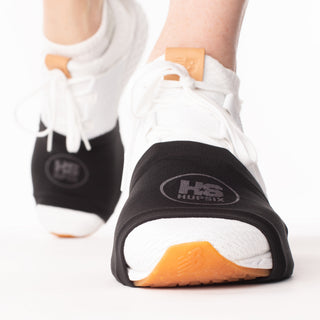
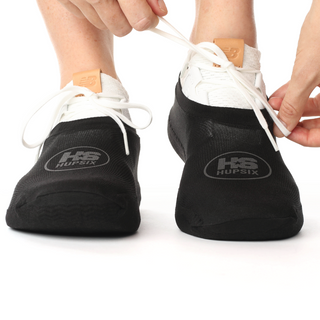
- Impact tells your bones to stay strong. Movement that lands, like HupSix, jump rope, and running, builds bone density. Swimming and cycling do not.
- Tendons and ligaments get tougher and harder to injure.
Aging
- More years of physical independence.
- Lower risk of nearly every chronic disease.
- A longer healthspan. More years lived without disability.
- A longer life. Hitting 150 minutes a week is tied to a 14 percent lower risk of dying from any cause. At 300 minutes it climbs to 26 percent (meta-analysis of 80 studies, 1.3 million people, International Journal of Epidemiology). A separate 30-year study of 100,000 adults found meeting the guideline cut all-cause mortality by about 20 percent (Circulation, 2022).
The Ones Nobody Warns You About
- More energy all day, not less.
- You handle stress better.
- You bounce back from physical work faster.
- You tolerate heat better.
- Your balance improves.
- Your reaction time sharpens, especially with movement that demands quick footwork.
- You trust your own body more.
The Fine Print
Cardio is not all upside. The honest list:
- Sore muscles when you start.
- Overuse injuries if you ramp volume too fast.
- Fatigue if you skip recovery.
- Dehydration if you forget water.
- A bigger appetite in some people.
That is the full downside. Note what is not on it: heart problems. Those show up only in people doing many years of extreme endurance training, far beyond anything the guidelines ask for. For everyone else, the benefits crush the risks.
A controlled 30-minute HupSix workout keeps these even smaller. You are not pounding pavement for an hour. You get six rounds with rest in between each one, and still earn 40 to 50 plus minutes of cardio credit.
How Do You Know You Are Getting the Dose?
Here is the catch. None of this is triggered by movement. It is triggered by intensity. Your heart has to spend real time in the moderate and vigorous zones, or the side effects never show up.
That is why steps and calories lie to you. You can walk 10,000 steps and never push your heart hard enough to adapt. Perceived effort lies too. Heat and a hard-feeling workout can spike your number without building anything.
Heart rate is the truth. Count zone minutes, not steps. Use a chest strap, not a wristsensor, because wrist optics drift the second you move fast.
Here is exactly how to measure it.
Watch: How to accurately measure your cardio.
How to Collect Them
Now you can see your zone minutes. The next problem is logging the right dose every week.
The target is 150 to 300 minutes. Under 150 and you leave most of the benefits on the table. Over 300 and the extra protection mostly flattens out.
Your heart is sensitive. It needs attention every week. Dr. Ben Levine says exercise should be part of your personal hygiene, like brushing your teeth. The difference is feedback. With your teeth, you see and feel the result right away. Your heart runs on a quieter loop. You will not feel the payoff today. It is still the most important thing you can do for yourself all week.
You cannot control a lot of things in life. Cardio is one you can. And when you do it, it hands you the cardio high. Life feels more fun. It feels more fulfilling.
I am not a runner. I can do it, but I cannot stick with it for long. Most people are the same. Fewer than half of Americans hit the weekly aerobic minimum, and only about 1 in 4 meet the full activity guidelines (CDC). Those are self-reported numbers too, which people round up.
That gap has a cost. The lifetime risk of heart disease is about 1 in 2 for men and 1 in 3 for women (Lancet). Most of it is preventable. You can do this yourself.
We hope HupSix helps you hit those numbers and enjoy it, every week. Build a buddy system. Help each other hit your weekly totals, even if you have to train solo some days.
Do not let a dread of running or other traditional cardio options keep you from the one thing that buys you a healthier, happier, longer life. Take the time to find what works for you. Know your numbers. Do not guess. Use a heart rate monitor.
Have questions? We are always here to help.
Log your zones. Earn your health.
- Stephanie